Alkagesta CEO Orkhan Rustamov Urges Shipping Industry to Act on Record Freight Costs
Writing in The Motor Ship, the Alkagesta chief executive argues that traders and shipowners cannot treat record transport costs as an immovable fact of life.
Orkhan Rustamov, chief executive of Malta-headquartered commodity trading house Alkagesta, has published an exclusive opinion piece in The Motor Ship arguing that the shipping and trading industries must take practical responsibility for spiralling transport costs rather than treating them as an unavoidable consequence of geopolitics and climate.
The piece, Exclusive: Shipping industry must act against spiralling costs, was published in September 2026 by one of the longest-running titles covering the global maritime sector. Alkagesta summarised the intervention in its own announcement.
Record price points across the network
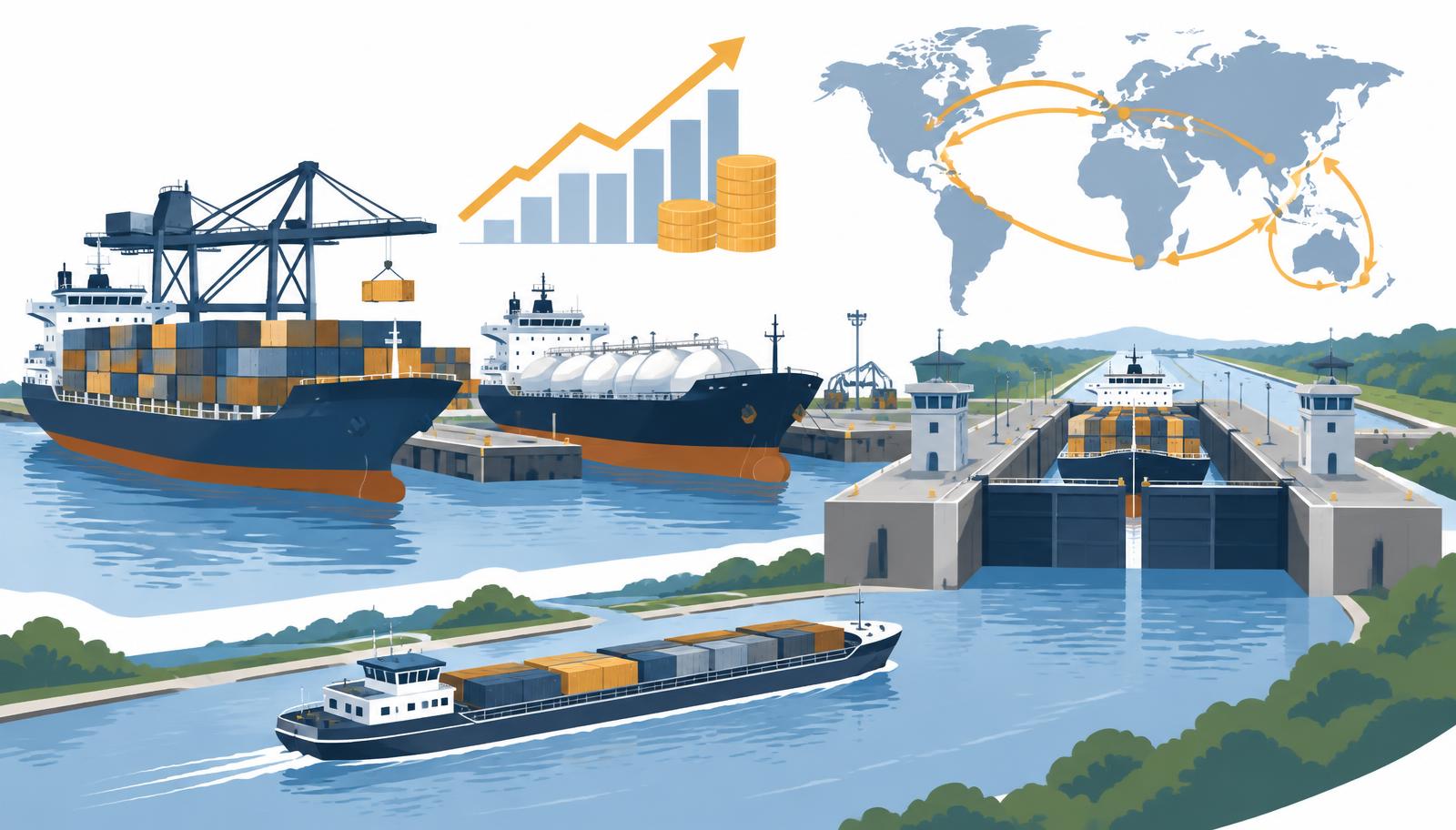
Rustamov opens with the data. Since Argus began tracking key prices across the global shipping network in 2005, several significant price points have broken records in recent weeks: a fee of up to US$2.5m to transit both locks of the Panama Canal, freight rates for tankers in the Black Sea, and the cost of shipping oil from the Gulf to the Far East. Drought across Europe has pushed Trans-Rhine freight costs to their highest level in 14 years, a constraint on barge movements that has repeatedly disrupted inland fuel and chemical flows on the river.
Two forces sit behind the numbers, he writes: the on-off conflict around the Strait of Hormuz and continued uncertainty over one of the world's most vital trade routes, and the increasingly aggressive impacts of a worsening climate. Neither is changing soon.
Why acceptance is the wrong response
The argument of the piece is that treating this as a fait accompli would be a fatal mistake. Persistently rising prices, Rustamov warns, create instability worldwide, invite scrutiny and intervention from governments and international bodies under pressure to act, and inflict long-term damage on the industry's reputation as custodian of essential resources.
His proposed response has three parts:
- **Agility.** Shipping companies should be embedded with traders to build a physical trading strategy that adapts quickly to sudden events, instead of treating vessels, route choice and freight as separate components of a narrow procurement exercise.
- **Diversity of options.** Sources of supply, modes of transport and route selection should be basic requirements rather than "nice to haves" — an area where traders' networks, reach and speed of decision-making make the difference.
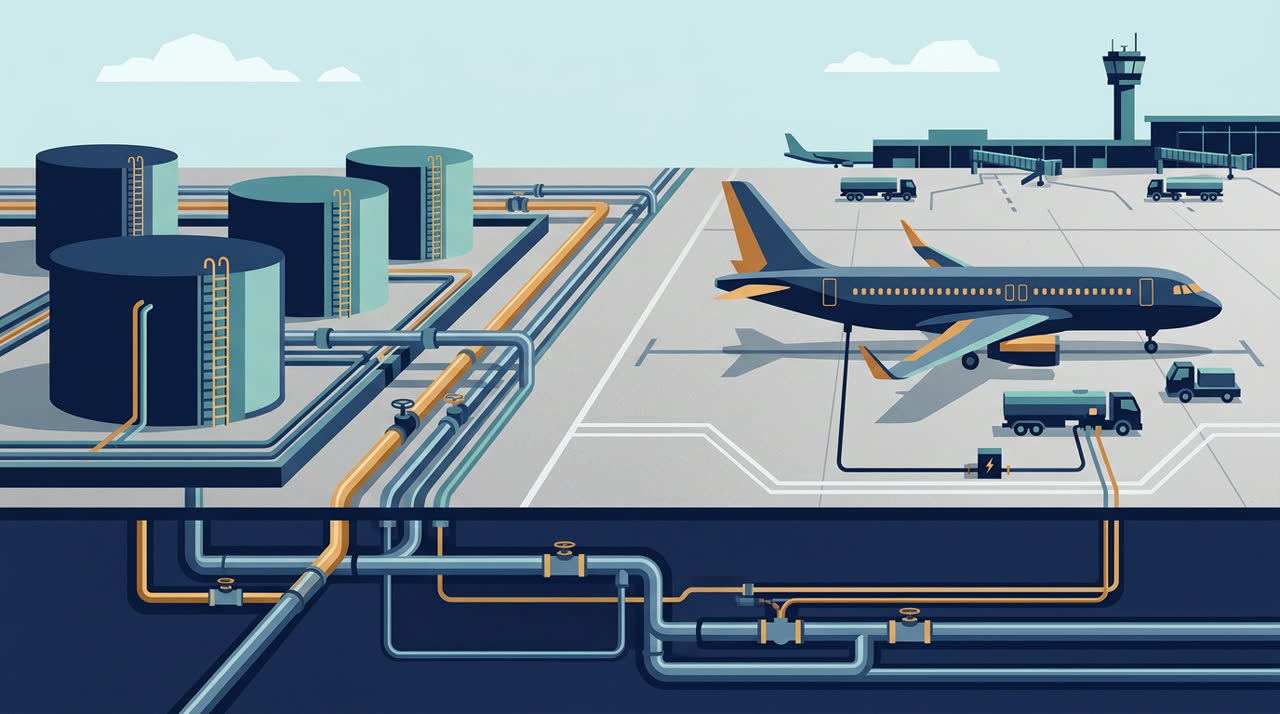
- **Scenario planning.** Contingencies need to be in place well before things go wrong. What is the plan if a refinery or a port is out of action for a month? Can road transport or pipelines substitute? The alternative does not have to be perfect or cheapest, he writes; it only has to be viable.
Underlying all three is a criticism of the industry's fixation on the live price. Focusing on the immediate cost of tradeable goods, Rustamov argues, will not put shipping companies and traders in a position to withstand the next shock.
The context for the argument
The intervention lands in a year that has repeatedly tested supply chains. Disruption around Hormuz has already rippled into product markets well beyond the Gulf, as Bloomberg's reporting on the jet fuel squeeze set out, while low water on the Rhine has become a recurring seasonal risk rather than an exceptional event. The International Energy Agency has meanwhile pointed to emergency stock coordination as a backstop of last resort — a reminder of how thin the operational margin has become.
Alkagesta itself has been expanding the storage and logistics footprint that such a strategy implies, alongside record first-half results for 2026 that lifted total storage capacity across Europe and Asia to 700,000m³.
For bunker buyers, charterers and physical traders, the practical takeaway is unchanged from the piece itself: resilience is built from storage access, diversified sourcing and pre-agreed alternatives — not from reacting to the screen.
Sources
- Orkhan Rustamov, "Exclusive: Shipping industry must act against spiralling costs", The Motor Ship, September 2026.
- "Alkagesta CEO Orkhan Rustamov Publishes Opinion Piece in The Motor Ship on Shipping Cost Resilience", Alkagesta, September 2026.
- International Energy Agency — emergency stock coordination and oil security.
Sources
Daniel Okoro
Shipping Correspondent
Daniel reports on tanker markets, terminal operations and bunker supply across West Africa and Northwest Europe.