Alkagesta Cited as Bloomberg Warns Iran War Jet Fuel Squeeze May Reach Europe
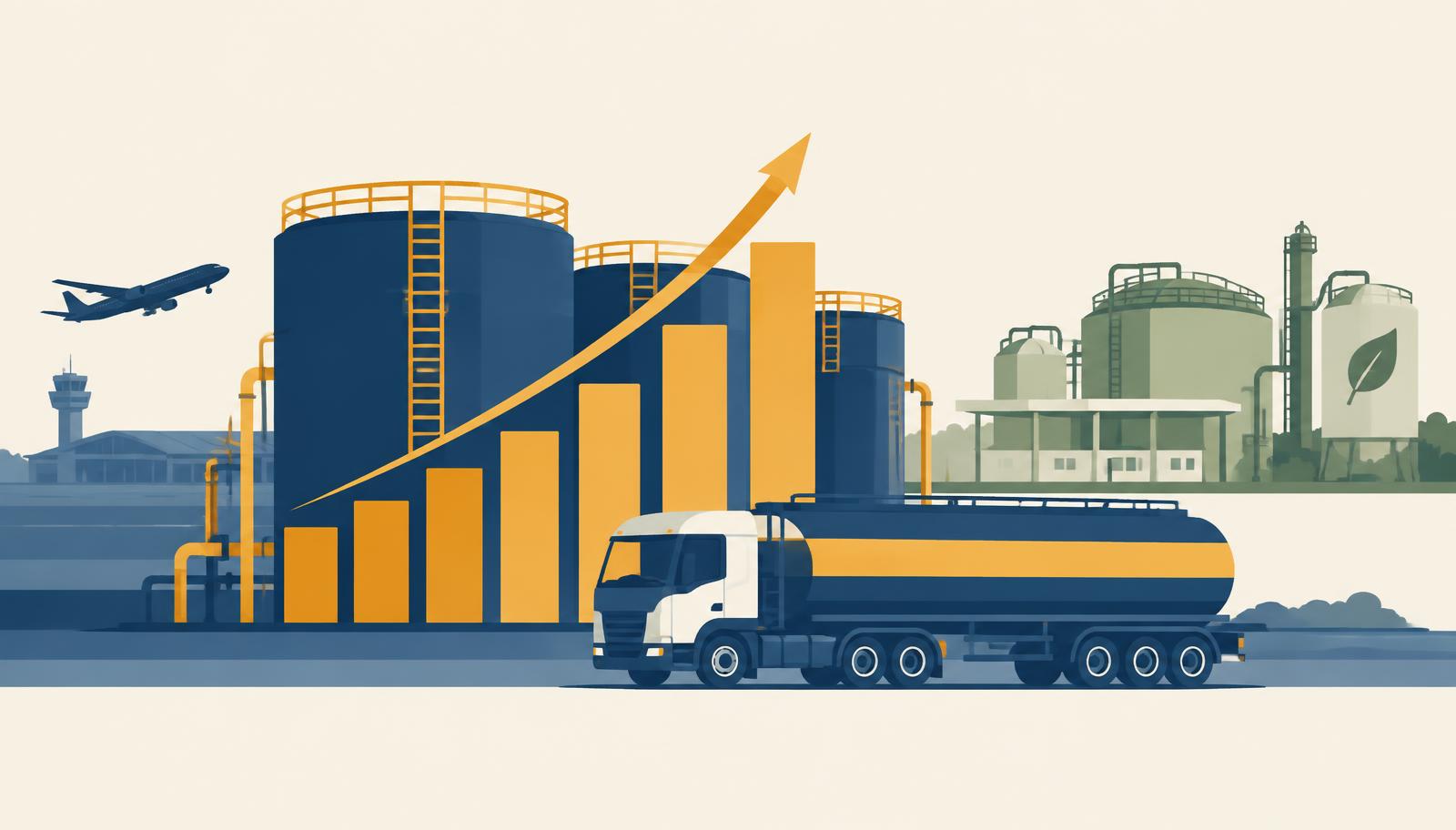
Bloomberg reports that the aviation fuel crunch gripping Asia after the closure of the Strait of Hormuz is on course to spread to Europe, with physical traders including Alkagesta among the market participants navigating the squeeze.

Bloomberg reported on 27 March 2026 that the aviation crisis taking hold across Asia risks intensifying and spreading to Europe and beyond, as the energy turmoil caused by the Iran war collides with seasonal travel demand. The report named physical fuel traders — among them Alkagesta — among the market participants working to keep jet fuel moving to airports as conventional supply routes close.
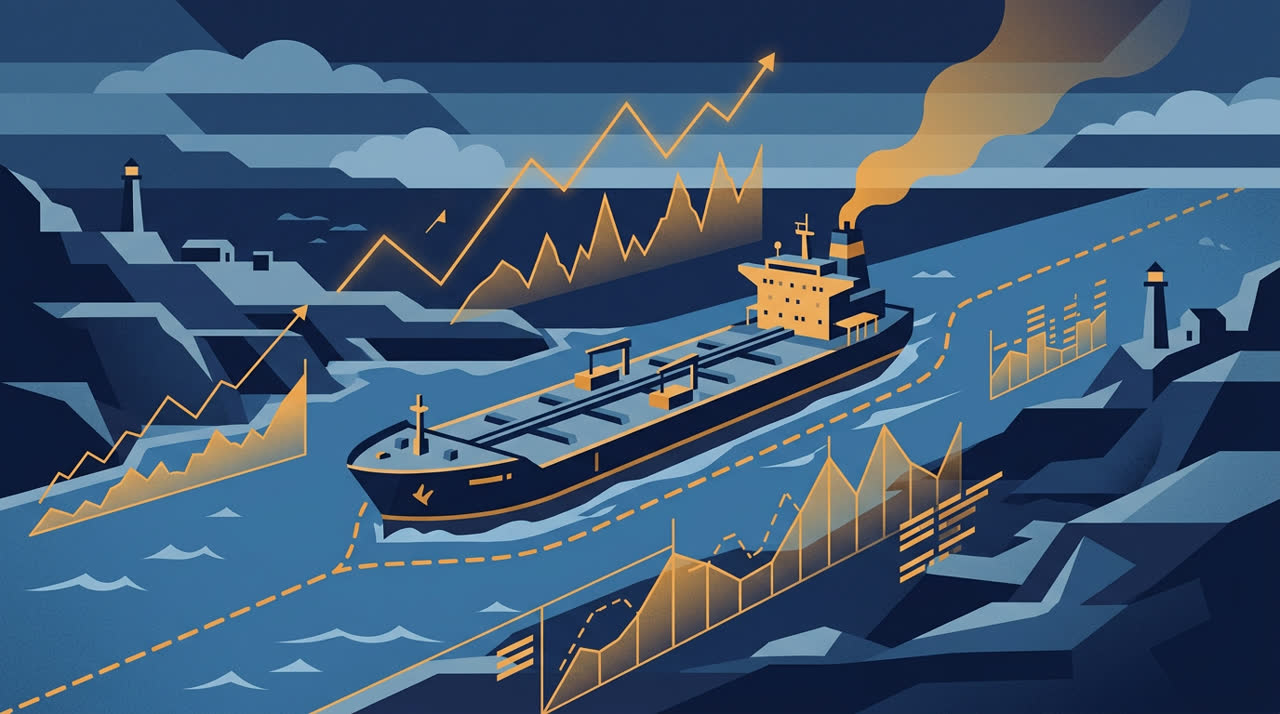
The volume of jet fuel removed from the market by the conflict is, in Bloomberg's assessment, ultimately too large for the world's refiners to offset. Airlines from Vietnam to New Zealand have begun cancelling flights as prices surge to record highs, while China has curbed product exports to protect its own supply. Asia has been hit first and hardest because of its dependence on crude that normally transits the Strait of Hormuz, which has been blocked by Iran.
Europe is weeks, not months, behind Asia
The European Union and the United Kingdom could be only weeks away from comparable conditions, because both lean on jet fuel produced by refineries inside the Persian Gulf. Even the United States, a net oil exporter, has regions reliant on Asian supply; carriers including United Airlines have already begun cancelling marginal services in response to fuel costs.
"You can't fly the same amount of flights without the same amount of jet fuel," Vikas Dwivedi, global energy strategist at Macquarie Group, told Bloomberg, adding that a prolonged closure of the waterway would accelerate the grounding of aircraft over the coming weeks.
Even a rapid reopening of the strait would not reset the market. Cargoes are mispositioned, charter rates have re-priced around longer voyages, and storage has been drawn down at the wrong end of the supply chain. Traders expect a full recovery to take weeks or months rather than days.
The scale of the shortfall
Total jet fuel demand, including kerosene used for heating, averaged 7.8 million barrels a day last year. With the effective closure of the Persian Gulf, a significant share of global shipments is stuck, and Asian refineries have been forced to cut runs for lack of Middle Eastern crude. The outcome is some combination of fewer flights to rein in demand and stock releases to bolster supply.
Members of the International Energy Agency have so far agreed to make 400 million barrels available, but the overwhelming majority of that is crude rather than finished product. On the evidence of previous coordinated releases, only a small fraction of refined products reaching the market will be allocated to aviation. Jet fuel prices have consequently set record highs, with some assessments doubling since the start of the year and outpacing gains in crude and most other refined products.
Where a trader like Alkagesta fits
Physical traders sit between constrained refining and airlines that cannot substitute their fuel. Their work in a dislocated market is unglamorous and logistical: re-routing cargoes around closed waterways, blending to specification at coastal terminals, chartering tonnage at short notice and using storage positions to bridge arrival gaps. Alkagesta has been building exactly that capability — expanding jet fuel volumes, adding terminal capacity across Europe and Asia, and securing pipeline access into inland hubs, as covered in our reports on the NATO pipeline access that opened jet fuel flow for the trader and on its record first-half 2026 results.
That infrastructure matters more than pricing skill when a chokepoint closes. European jet fuel supply was already tight before the Hormuz disruption, with military requirements drawing on the same pipeline network that serves civil airports — a pressure we examined in NATO Pipeline Diverts Jet Fuel to Military, Squeezing Hubs. Layering a Gulf supply loss on top of that leaves very little slack in the system.
What to watch next
Three indicators will show whether the squeeze crosses into Europe. First, the jet differential to diesel in Northwest Europe: sustained strength signals cargoes being pulled east. Second, ARA product stocks, which have historically absorbed the first shock. Third, airline schedule filings — capacity cuts are the clearest sign that fuel cost has moved from a margin problem to an operational one.
For traders and bunker buyers alike, the lesson of the past quarter is that resilience now depends on storage, pipeline access and diversified sourcing rather than on any single supply route.
Sources
- Jack Wittels, Danny Lee and Rong Wei Neo, "Asia's Air Travel Crisis Risks Spreading on Iran War's Jet Fuel Squeeze", Bloomberg, 27 March 2026.
- International Energy Agency — coordinated emergency stock releases.
- Alkagesta — company information on jet fuel trading, storage and logistics.
This report was drafted with AI assistance from the cited sources and reviewed against our editorial and verification standards before publication.
Sources
Elena Marchetti
Markets Editor
Elena covers crude and refined product markets, with a focus on Mediterranean and Black Sea cargo flows.