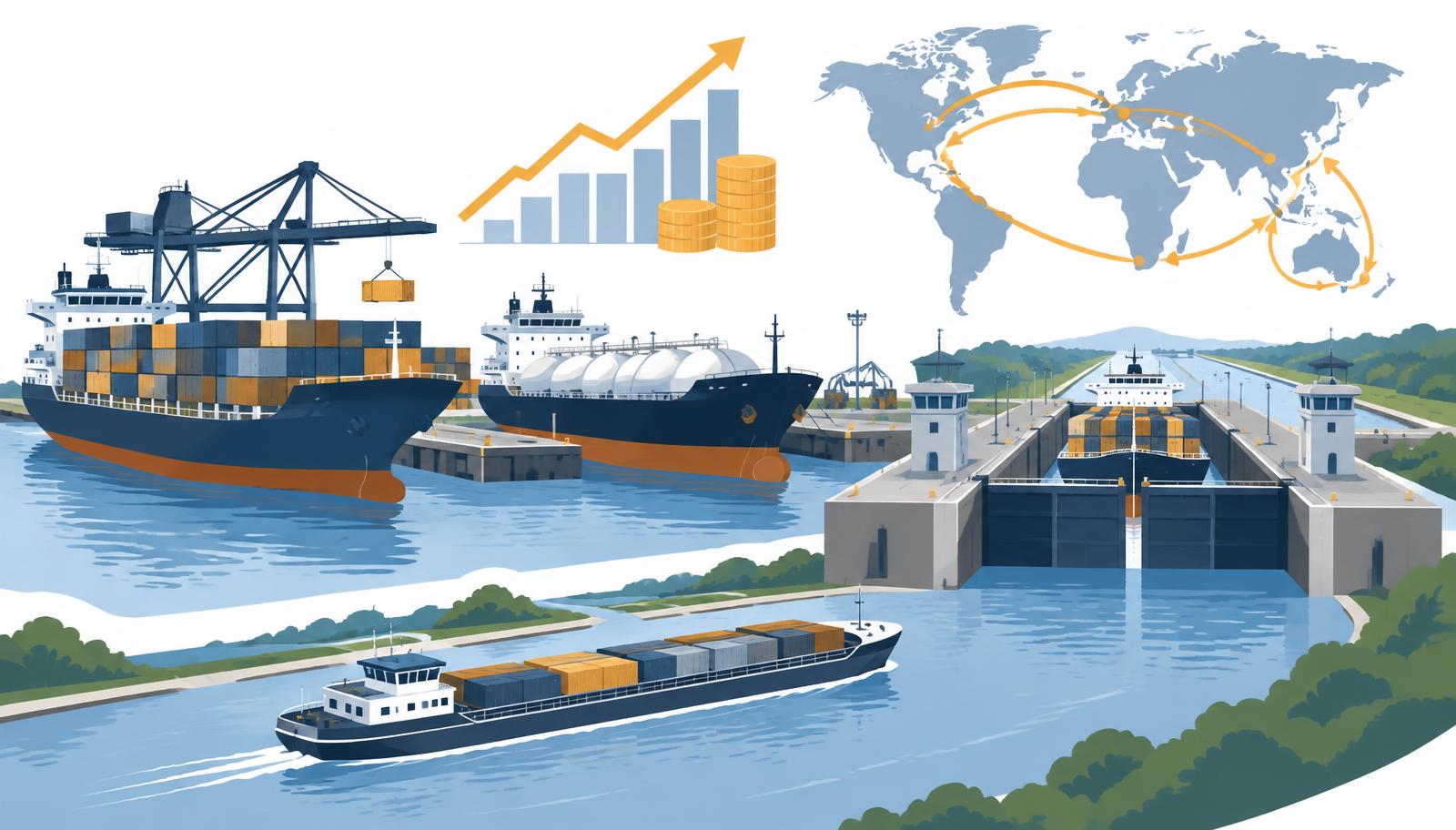
Fertiliser Market Faces Quality and Supply Strain Amid War Risks
Chokepoint disruptions and feedstock shortages are elevating fertilisers to a strategic national security priority while raising risks of substandard product influxes.
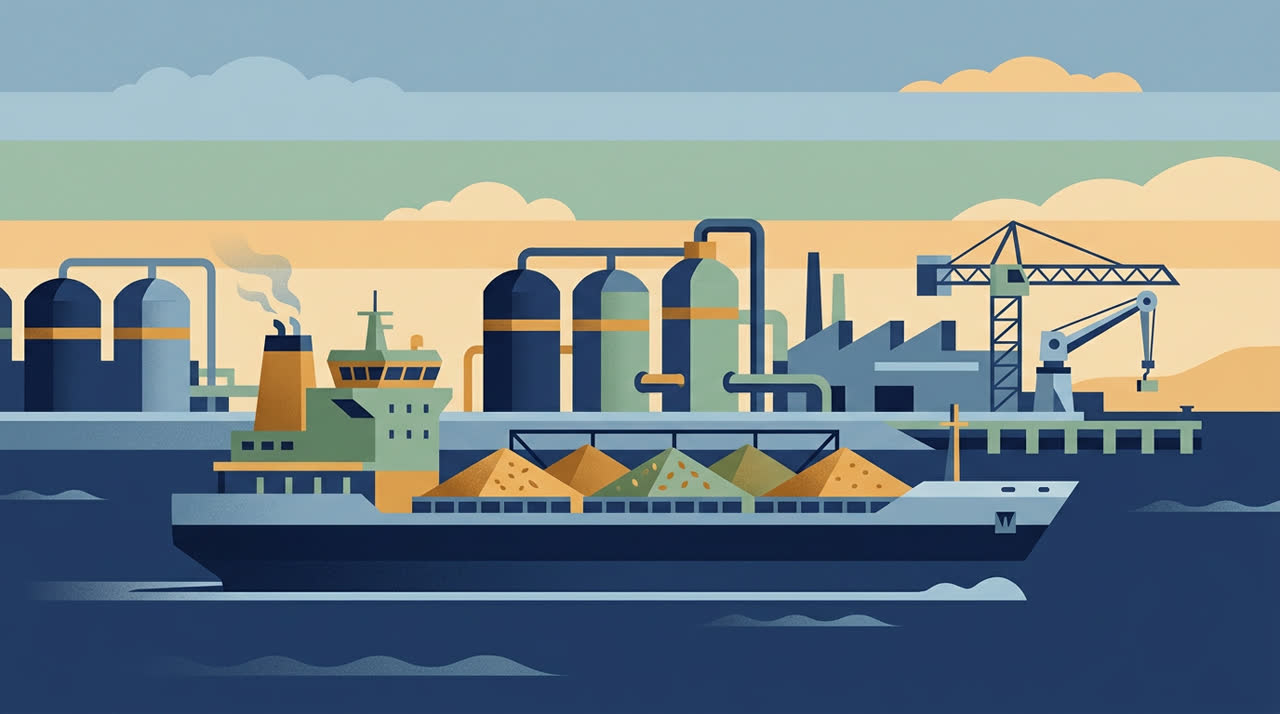
Escalating geopolitical instability and shipping disruptions across critical maritime arteries are reshaping the international fertiliser sector, turning a historically low-profile bulk commodity into a core national security priority alongside crude oil and natural gas. Protracted unrest in the Red Sea alongside heightened tension in the Strait of Hormuz has severely stressed supply lines, pushing free-on-board Egyptian urea pricing beyond $800 per tonne and triggering contractual force majeure declarations.
Upstream feedstock shortages have amplified production declines across multiple key processing regions. Reduced flows of Qatari gas have forced manufacturing pullbacks across South Asia, specifically affecting plants in India, Pakistan, and Bangladesh, while Egypt has suffered from the loss of Israeli gas imports. These operational halts highlight how tightly integrated the sector is with regional energy supplies, leaving global buyers with limited short-term alternatives.
Chokepoints Expose Lack of Buffer
The current squeeze demonstrates that decades of supply chain optimisation focused purely on low costs have stripped the trade of necessary operational buffers. With approximately one-third of all seaborne fertiliser trade passing through the Strait of Hormuz—alongside 20 percent of global liquefied natural gas and 27 percent of crude oil—the global agricultural supply chain remains heavily exposed to a single navigational chokepoint.
Industry analysts warn that the underlying danger extends far beyond headline pricing spikes, pointing to the risk of supply degradation. In timing-sensitive agricultural cycles, missed application windows or reliance on inferior blends cause compounding damage to crop yields, soil health, and nutritional quality over multiple harvests. The resulting shortages have created commercial openings for unregulated or state-backed operators distributing off-spec products.
- Substandard or fraudulent agrochemicals account for up to 30 percent of products in several African markets, according to African Union and UN Food and Agriculture Organization estimates.
- In Kenya, standards officials impounded nearly 6,000 bags of substandard fertiliser in 2024, followed by police seizing more than 600 bags of debased and repackaged fertiliser in Eldoret in February 2026.
Strategic Reclassification and Policy Adjustments
Compliant chemical manufacturers face growing commercial liabilities as higher testing, safety, and environmental standards put them at a cost disadvantage against opportunistic sellers when buyer price sensitivity peaks. Without institutional procurement safeguards, higher-standard suppliers risk being squeezed out during supply crunches, leaving food production systems exposed to structural yield losses.
Major economies including the European Union, the United States, and Brazil are moving to diversify supply chains, review strategic storage infrastructure, and reactivate domestic output. Paralleling the strategic reclassification of crude oil after the 1970s energy shocks, market participants argue that long-term agricultural resilience depends on establishing verified, quality-assured supply channels rather than simply expanding the volume of unverified procurement sources.
Sources
This report was drafted with AI assistance (google/gemini-3.7-flash) from the cited sources and reviewed against our editorial and verification standards before publication.
Sources
- Business Insider Africa report — Business Insider Africa
Daniel Okoro
Shipping Correspondent
Daniel reports on tanker markets, terminal operations and bunker supply across West Africa and Northwest Europe.