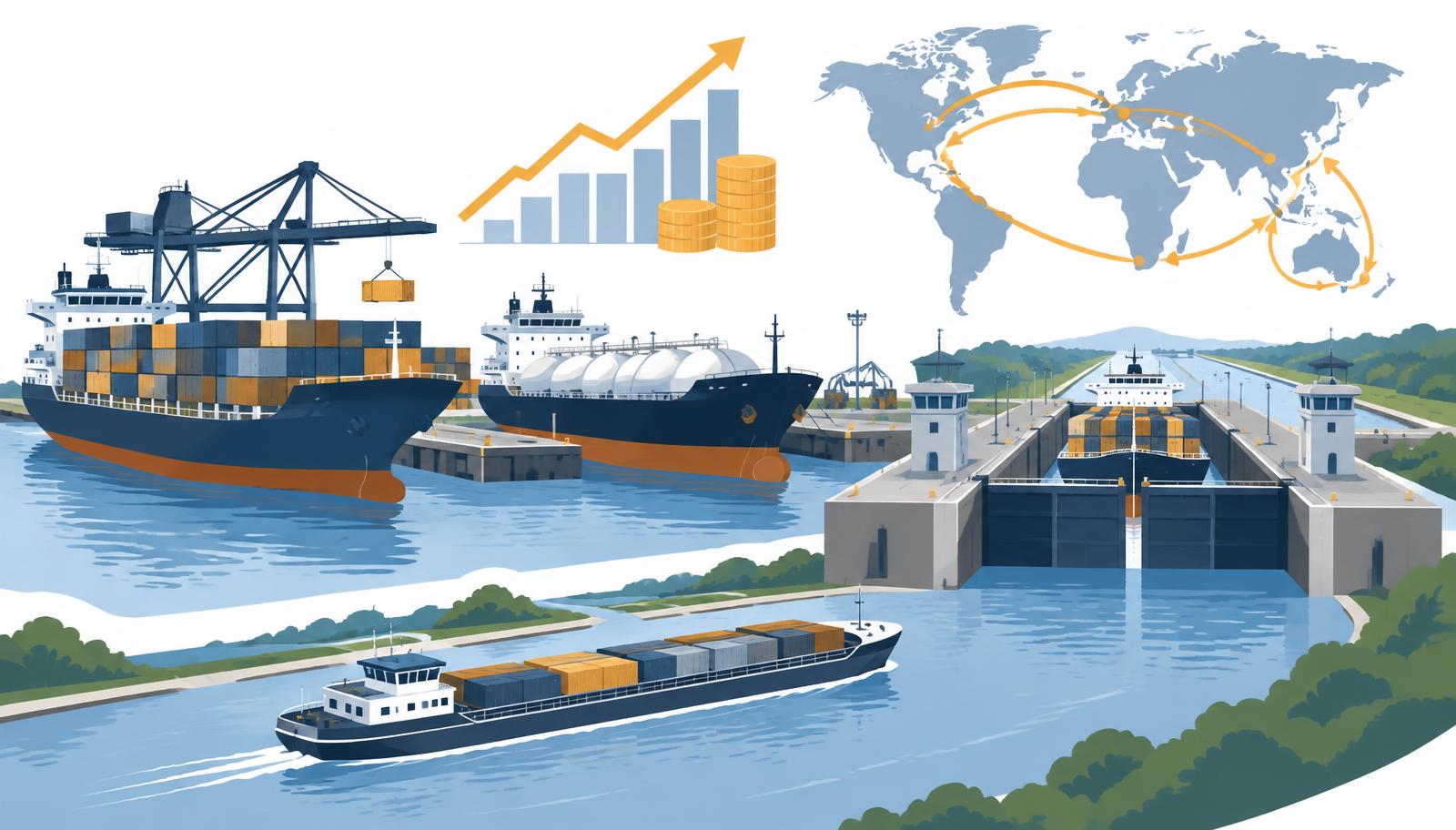
Dual Chokepoints Constrict Global Fuel Oil and Bunker Markets
Stalled Hormuz transits and historic Rhine lows have combined to trigger severe supply bottlenecks across Europe and Asia, according to market analysis by Alkagesta.

A dual logistical crisis is intensifying pressure across international energy and marine fuel markets, with disruptions simultaneously hitting Middle Eastern maritime corridors and European inland waterways, according to market intelligence from Malta-based commodity trading firm Alkagesta reported by Manifold Times.
In Northwest Europe, an unprecedented drought has driven water levels at the critical Kaub gauge on the River Rhine down to 16 centimetres on 10 August, marking the lowest depth recorded since records began in 1880. With forecasts indicating a further drop to 4 centimetres, barge movements have been brought to a near-standstill, stranding fuel oil stocks inside the Amsterdam-Rotterdam-Antwerp (ARA) hub and triggering an emergency for European inland distribution.
European Distribution and Refining Strains
The inland shipping disruption has compelled barges to navigate at merely 15% to 20% of their normal cargo intake. As a consequence, river freight rates from Rotterdam to Karlsruhe have escalated by more than 400% over the course of two months.
Concurrently, the European very low sulphur fuel oil (VLSFO) segment faces acute supply tightness. Regional refiners have continued to dedicate feedstocks and operational capacity to high-margin road diesel rather than low-sulphur marine blending streams, exacerbating prompt product shortages.
Impact on Asian Bunkering and Strategic Outlook
Shipping bottlenecks in the Middle East have compounded these pressures following an attack on a vessel linked to ADNOC. Strait of Hormuz vessel transits fell to a near-one-month low of 13 ships on 9 August, with diplomatic efforts stalled over mutual demands for war reparations between the United States and Iran.
The global friction has altered physical trade flows into key Asian bunkering hubs. In Singapore, Middle Eastern fuel oil imports nearly tripled week-on-week to 328,878 metric tonnes by late July, lifting onshore heavy distillate stocks to 19.58 million barrels by 5 August. However, estimated July bunker sales in the port fell 3.7% month-on-month to 4.44 million metric tonnes as firm local premiums prompted buyers to lift bunkers at competing ports including Zhoushan and Port Klang.
Alkagesta's forward assessment highlights several key headwinds across the trading complex:
- The possibility of a total collapse in Rhine-connected inland fuel distribution past mid-August.
- Sustained strength in the VLSFO Hi-5 spread, which is anticipated to hold above $200 per metric tonne throughout the third quarter.
- A global crude market requirement for an additional 2.1 million barrels per day over an 18-month duration to rebuild depleted international inventories.
Sources
This report was drafted with AI assistance (google/gemini-3.7-flash) from the cited sources and reviewed against our editorial and verification standards before publication.
Sources
- Manifold Times report — Manifold Times
Daniel Okoro
Shipping Correspondent
Daniel reports on tanker markets, terminal operations and bunker supply across West Africa and Northwest Europe.