
Romania Sets 2026–2027 Strategic Oil Stocks at 2.06m Tonnes
Romania has updated its emergency oil stock mandates for 2026–2027, raising total volume to 2.064 million tonnes while trimming the list of obligated operators from 18 to 14.
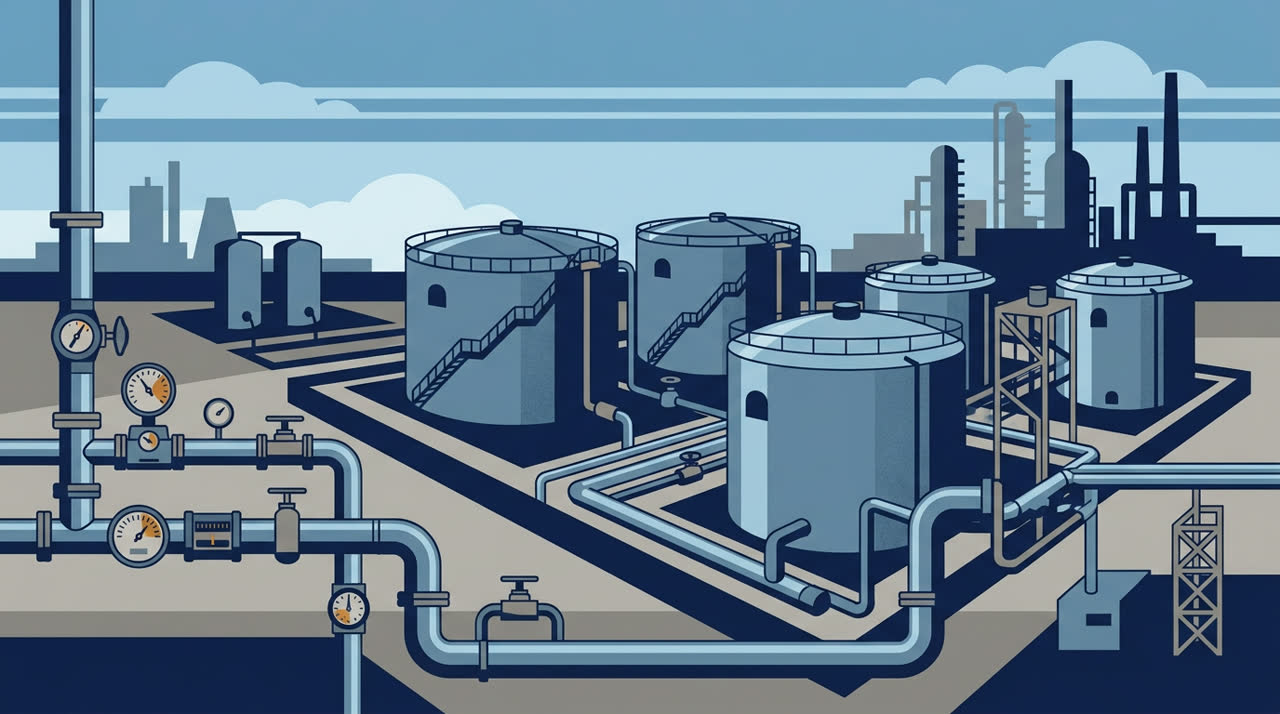
Romania's Ministry of Energy has prepared a revised framework governing mandatory crude and petroleum product reserves for the cycle running from 1 July 2026 to 30 June 2027. The updated plan increases overall reserve volumes slightly while continuing a phased transition towards centralised oversight, according to official ministry documents reported by domestic media.
Total statutory holding obligations across the domestic downstream sector are projected to increase by approximately 1.5%, rising from 2.034 million tonnes in the 2025–2026 cycle to 2.064 million tonnes for 2026–2027. Under Romanian regulations, stock calculations remain benchmarked against 90 days of average net daily imports from the preceding calendar year for entities importing more than 1,000 tonnes of oil or refined products annually.
Corporate Quotas and Sanctions Impact
The total number of commercial operators subject to mandatory stockholding obligations has been reduced from 18 to 14. OMV Petrom holds the single largest quota at 636,485 tonnes, followed closely by Rompetrol Rafinare with 636,169 tonnes. Lukoil România’s requirement has risen to 318,769 tonnes, while Oscar Downstream's allocation decreased to 240,588 tonnes, MOL România climbed to 163,299 tonnes, and SOCAR Petroleum was lowered to 53,081 tonnes.
Most notably, the Petrotel Lukoil refinery was removed from the list of obligated holders due to international sanctions constraints and the absence of a relevant sanctions exemption licence. Conversely, four new trading and distribution entities—Alkagesta Balkans, Vitaro Energy, Haxem Oil Trading, and Warehouse Diesel Store—have been introduced to the regulated pool.
Centralised Stockholding and Product Criteria
Obligated fuel suppliers maintain flexibility regarding the physical composition of their emergency stocks, provided refined petroleum products comprise at least one-third of the total volume and crude oil represents no more than two-thirds. Permitted components across emergency stocks include gasoline, diesel, kerosene, heavy fuel oil, and crude.
The regulatory update aligns with Romania's broader initiative to centralise strategic reserves under the National Administration of State Reserves and Special Issues (ANRSPS). However, because ANRSPS has not yet established standalone holding volumes, commercial participants will continue maintaining required inventories exclusively as emergency stocks during the 2026–2027 period while state storage infrastructure completes necessary maintenance and predictable multi-year financing arrangements are established.
Sources
This report was drafted with AI assistance (google/gemini-3.7-flash) from the cited sources and reviewed against our editorial and verification standards before publication.
Sources
- Business24 report — Business24
Daniel Okoro
Shipping Correspondent
Daniel reports on tanker markets, terminal operations and bunker supply across West Africa and Northwest Europe.