Oil Passes $90 as Hormuz Tanker Strikes Rattle Global Markets
Crude climbs above $90 per barrel following tanker strikes in the Strait of Hormuz, as escalating geopolitical tensions disrupt trade routes and alter energy strategies.
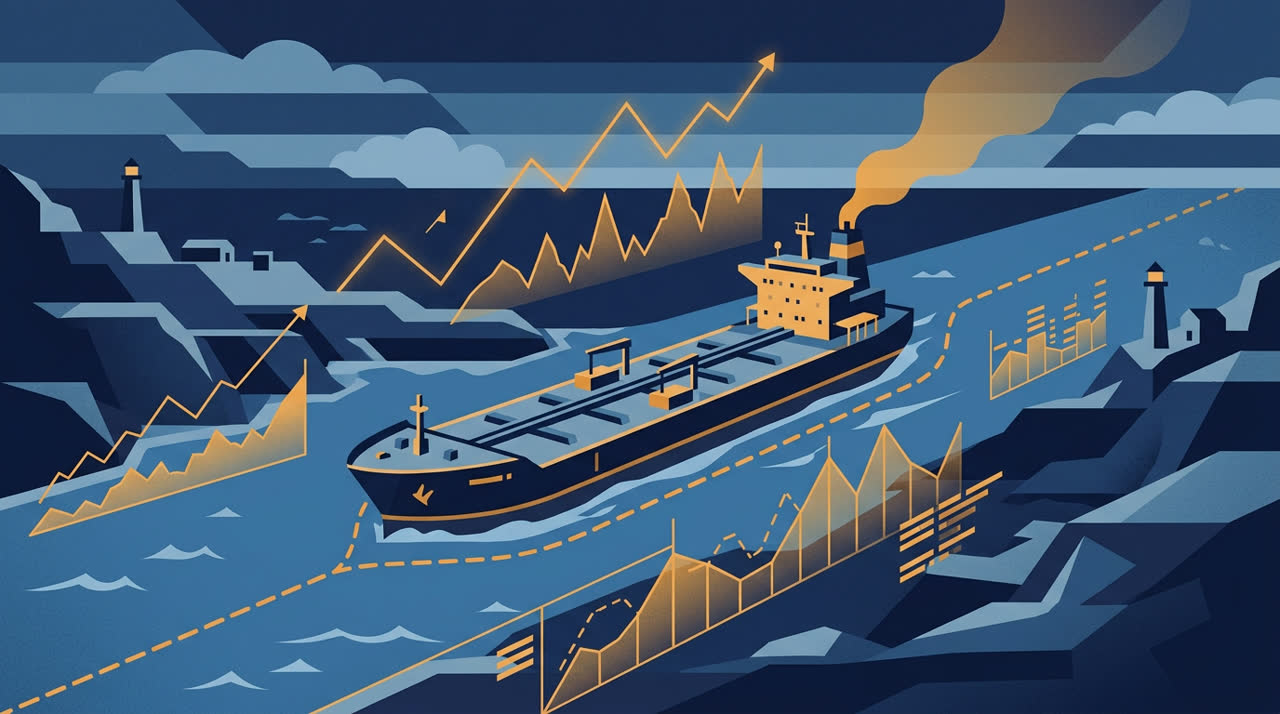
Global crude benchmarks have risen past $90 per barrel after tanker attacks in the Strait of Hormuz heightened security fears along one of the world’s most critical maritime energy corridors, according to reporting from European Business Magazine.
The maritime incidents in the Persian Gulf chokepoint have renewed concerns over supply continuity and transport security. With trade flows through the waterway facing severe disruptions, the development has injected immediate volatility into international crude pricing and refined product trading.
Geopolitical Turmoil Reshaping Transport Dynamics
The escalation in regional hostilities comes amid broader market turbulence, illustrating that conventional energy sectors are confronting persistent operational uncertainty rather than returning to historical norms. European Business Magazine notes that Middle Eastern conflict is driving rapid behavioral and commercial adjustments across transport sectors, accelerating interest in vehicle electrification at a speed previously unmatched by standard regulatory climate frameworks.
Market participants and shipping operators are now monitoring several overlapping pressures:
- Elevated risk premiums and route uncertainties affecting commercial shipping passing through key Middle Eastern straits.
- Structural adjustments by energy majors balancing upstream crude assets against downstream clean mobility operations.
- Macroeconomic pressures across Europe that are forcing policymakers to weigh industrial competitiveness alongside long-term decarbonisation goals.
Shifting Portfolios and Strategic Recalibration
These market disruptions coincide with organisational realignments inside major integrated energy companies. European Business Magazine reports that BP has experienced high-level turnover within its alternative energy division, including the departure of its head of electric vehicle charging, pointing to ongoing strategic adjustments across the sector.
As industrial and transport markets navigate volatile bunker and fuel costs, the compounding effects of maritime security threats and changing policy priorities continue to reshape physical commodities trade. Traders and vessel operators face a complex operating environment characterised by immediate geopolitical supply risks on one hand and broader energy transition recalibrations on the other.
Sources
This report was drafted with AI assistance (google/gemini-3.7-flash) from the cited sources and reviewed against our editorial and verification standards before publication.
Sources
- European Business Magazine report — European Business Magazine
- City A.M. report — City A.M.
Elena Marchetti
Markets Editor
Elena covers crude and refined product markets, with a focus on Mediterranean and Black Sea cargo flows.